A Pop Behind Your Ankle: When to Suspect an Achilles Tendon Tear
Nov 11, 2026
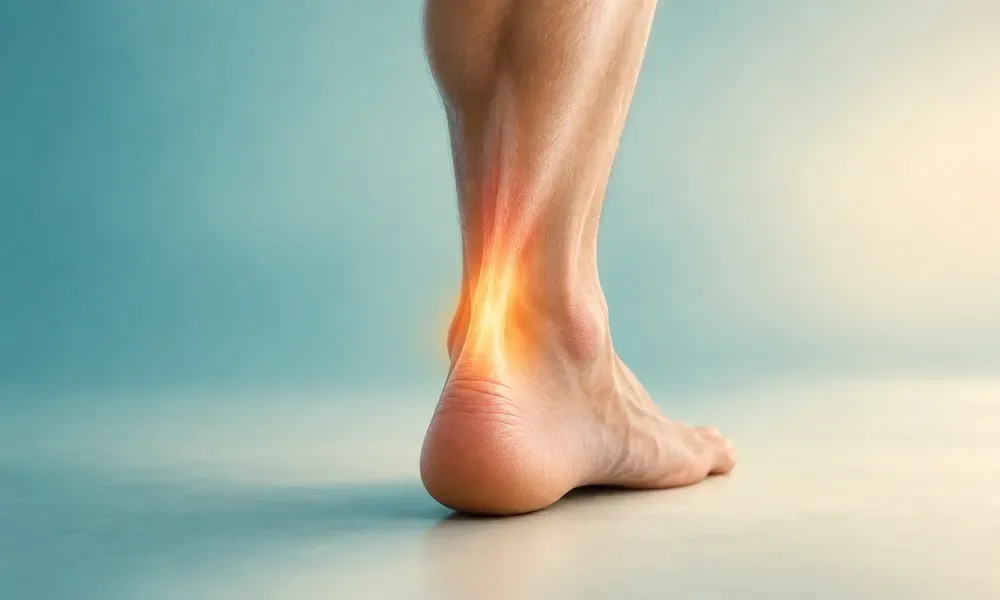
You push off during a game, turn quickly, or take an awkward step and feel a pop behind the ankle. For a moment, it may seem as though someone kicked your calf. Even if the initial pain settles, this is an injury worth taking seriously.
Symptoms that deserve prompt attention
The Achilles tendon connects the calf muscles to the heel and helps with push-off. A tear can cause sudden pain, swelling, a popping sensation, and difficulty walking or rising onto the toes. Not everyone experiences every symptom. A change in strength after an injury matters even when pain becomes less intense.
What to do while arranging care
Stop the activity and seek prompt medical assessment. Avoid stretching the tendon or repeatedly testing whether you can run, hop, or stand on tiptoe. Protect the injured leg and minimize weightbearing until you receive guidance. A wrapped cold pack may help with swelling; do not place ice directly on skin.
Ask someone to help with transport if pain or weakness makes walking or driving unsafe. Describe the pop and loss of push-off when calling for care, rather than simply reporting a sore ankle. An open injury, obvious deformity, or a cold or numb foot requires emergency assessment.
What an evaluation may involve
A clinician reviews how the injury happened and examines tendon function, strength, and movement. Imaging may be used when needed. Treatment can be surgical or nonsurgical, with protection and a structured rehabilitation plan. The appropriate choice depends on the injury and the patient; surgery is not automatic.
Prepare a short timeline: what you were doing, when the pop occurred, whether you could continue, and how walking changed afterward. Bring details of earlier tendon symptoms and your current medicines. Do not stop prescribed medication on your own, but make sure the treating clinician has a complete list.
Discuss treatment and daily needs
Ask how to manage the practical parts of recovery. Stairs, a standing job, childcare, and driving may need planning. If a boot or mobility aid is recommended, ask for clear instructions about how and when to use it. Advice from a teammate's recovery may not match your injury.
Discuss follow-up before leaving. Know whom to contact if the device does not fit, symptoms change, or you cannot manage the plan safely. Ask when rehabilitation begins and which milestones determine progression. A calendar date alone should not decide your return to sport.
Questions patients ask
Does less pain mean the tendon is fine?
No. A reduction in pain does not establish that the tendon is intact. New weakness or an altered walking pattern still deserves assessment.
Should I stretch it like a tight calf?
Avoid forceful stretching after a sudden injury until a clinician has evaluated it. A routine exercise for soreness may be inappropriate for a tear.
Will everyone need the same treatment?
No. Ask about the benefits, risks, and rehabilitation requirements of the options appropriate for you. Your health, activity goals, and injury findings matter.
Achilles injury evaluation in Plano
Restore Foot & Ankle Specialists evaluates foot and ankle injuries in Plano. Request an assessment for a sudden pop or new push-off weakness, and describe the symptoms when contacting the office. Our foot and ankle trauma service page explains this area of care.
This article provides general education, not an individual diagnosis.