A Red, Hot Big Toe Joint: Why You Should Not Assume It Is Gout
Nov 09, 2026
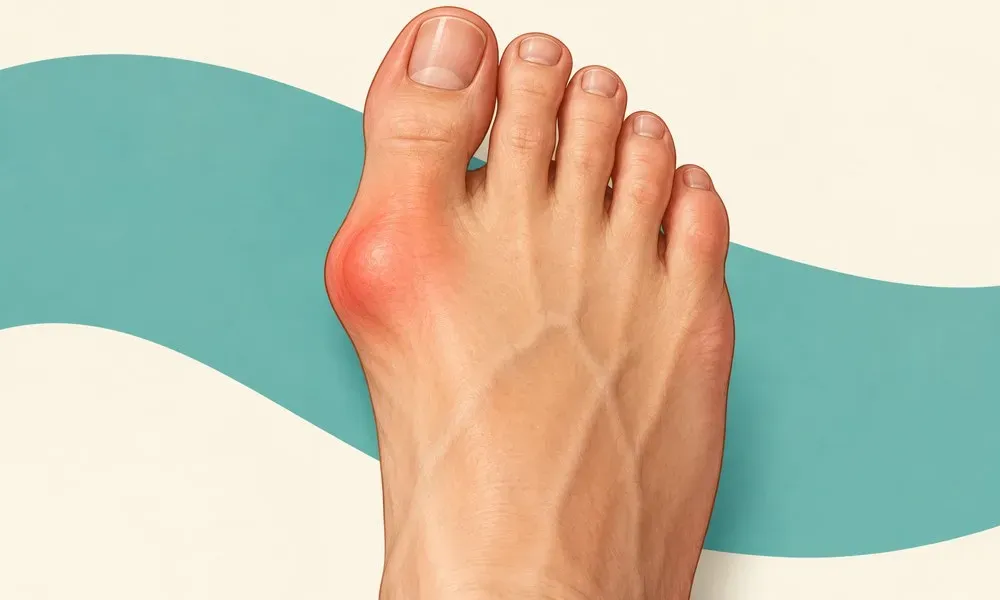
A big toe joint becomes hot, swollen, and so tender that even a bedsheet feels uncomfortable. You may have heard this is a classic sign of gout. It can be, but a familiar symptom pattern does not replace an assessment, especially if this is your first episode.
Gout is one possible explanation
Gout is an inflammatory arthritis associated with urate crystals. It often affects the big toe but can involve other joints. Redness, warmth, swelling, and severe pain can also have other causes. A history of gout should not lead you to dismiss symptoms that are different from your usual episodes.
Know when care is urgent
Seek urgent assessment for sudden joint pain and swelling with worsening pain, fever, chills, or feeling unwell. Infection in a joint can require urgent treatment. Do not wait for a dietary change to solve those symptoms. Tell the care team about any nearby wound, recent procedure, or other relevant health concerns.
How the cause is assessed
A clinician reviews the history and examines the joint. Blood tests, a joint-fluid sample, or imaging may help clarify the cause. Treatment for a gout flare and treatment to reduce future flares have different purposes. Your clinician can explain which approach fits the diagnosis and your health history.
Prepare for a useful appointment
Write down when symptoms started and whether there was an injury. Describe whether the pain is centered in the joint or around a nail or skin wound. Bring a medication list and information about previous episodes, test results, and treatments. If a medicine did not help, include when you took it rather than just its name.
Avoid borrowing someone else's treatment. Tell the clinician about kidney disease, other chronic conditions, allergies, and medicines you already take. These details matter when selecting a treatment. If you already have a written flare plan, explain what you have followed and how this episode compares with earlier ones.
Ask for a clear next step. Find out when you should expect reassessment, which changes require urgent attention, and whom to call if the plan is not helping. Before leaving, make sure you understand whether each medicine is intended for current symptoms or longer-term prevention.
Questions patients ask
Can I diagnose gout from a photograph?
No. A photograph may show swelling or redness but cannot establish what is happening inside a joint. Share photos with your clinician if they help explain changes, while arranging an appropriate assessment.
Is changing my diet enough during a first episode?
Diet is not a substitute for diagnosing a newly painful, swollen joint. Discuss longer-term habits after the immediate cause and treatment are clear.
What if my usual gout treatment is not helping?
Contact your clinician. Persistent or unusual symptoms are a reason to revisit the diagnosis and plan rather than keep repeating a treatment without guidance.
How can I make follow-up easier?
Keep a brief record of episodes, the joints involved, and the treatment used. Bring your questions about prevention and follow-up testing. An organized history helps the clinician understand the pattern over time.
Help for sudden foot pain in Plano
Restore Foot & Ankle Specialists evaluates painful foot conditions in Plano. Request an appointment for a new or recurring painful toe joint, and mention warmth, swelling, and any illness when calling. Our general podiatry information provides an introduction to care. Use urgent or emergency care when symptoms require immediate attention.
This article provides general education, not an individual diagnosis.