Fall Boots Hurt Your Feet? A Practical Fit Check Before Your Next Outing
Oct 23, 2026
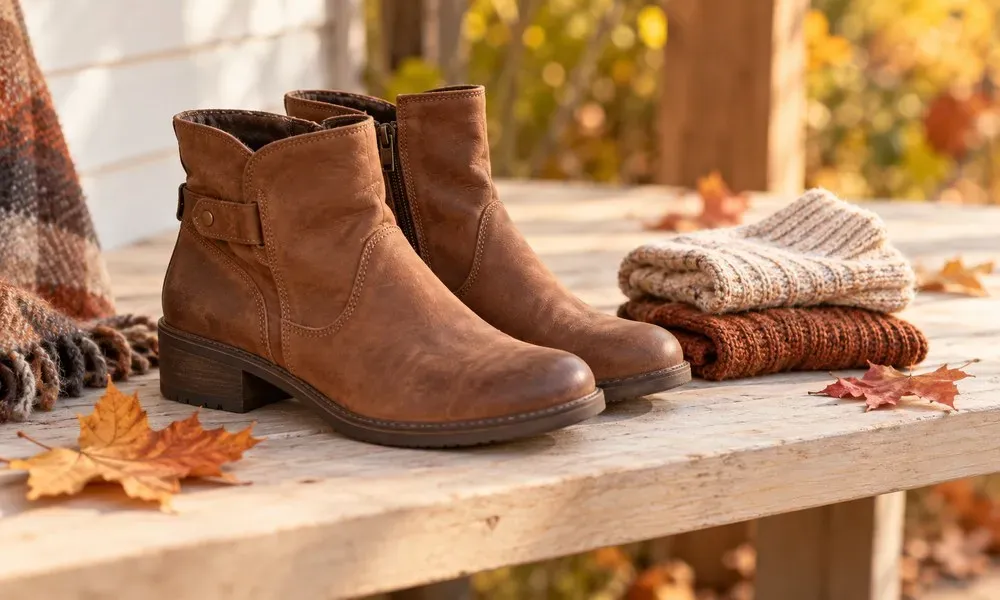
Boot weather in North Texas can arrive one cool morning at a time. The pair you pull from the closet may look ready for another season, but your feet still need a fresh fit check. A short walk around the house is a better time to discover a problem than halfway through an afternoon outing.
Try boots with your intended socks and any prescribed inserts. A thicker sock changes the space available inside the boot. Fasten the footwear as you normally would and assess both feet while standing and walking. Do not choose a size from the label alone; fit varies between styles.
Your toes need both width and depth. The widest part of the foot should sit comfortably in the widest part of the shoe, without pressure across the toe joints. Leave roughly three-eighths to one-half inch beyond the longest toe. A longer size is not always the answer to a narrow shape.
Notice where the boot bends and whether seams or the upper press on a prominent area. A boot should fit comfortably when purchased; do not count on stretching to solve painful tightness.
A plush interior can feel inviting, but it does not tell you how the boot fits during walking. Check that the heel stays secure and that you are not gripping with your toes to keep the footwear in place. Lower heels and a roomy toe box are useful starting points; the right choice also depends on your foot and activity.
Think through the day before choosing footwear: how far you expect to walk, whether there are stairs, and whether you can change shoes. A pair worn comfortably for a short dinner has not necessarily been tested for hours on your feet. For a new pair, begin with a brief, easy outing close to home.
Keep the return policy in mind while checking fit indoors. It is easier to compare two sizes or styles when you can describe the difference: pressure across the forefoot, heel slipping, or the top rubbing. These observations are more useful than deciding that all boots are uncomfortable.
Bring both the device and the boots to a fitting or appointment. Ask whether the existing liner should remain and whether the boot has adequate space. Do not stack multiple inserts simply to make an uncomfortable pair feel softer. Learn more about orthotic care at Restore.
They should hold the foot securely without painful compression. A painful break-in period is not a fit strategy.
Use it as a starting point, then reassess. Feet and footwear can change, and different brands may fit differently.
Recurring pain deserves an evaluation. Shopping for another pair may not address the source of the problem.
Request an appointment with Restore Foot & Ankle Specialists if footwear discomfort keeps limiting you. Bring the boots, your usual socks, and inserts so you can discuss the actual fit. Mention numbness, skin breakdown, or persistent swelling when arranging care.
General education. Sources: AOFAS: Proper Shoe Fit; AAOS: Finding the Right Fit.