Second-Toe Joint Pain and Stiffness: What Is Freiberg Disease?
Oct 21, 2026
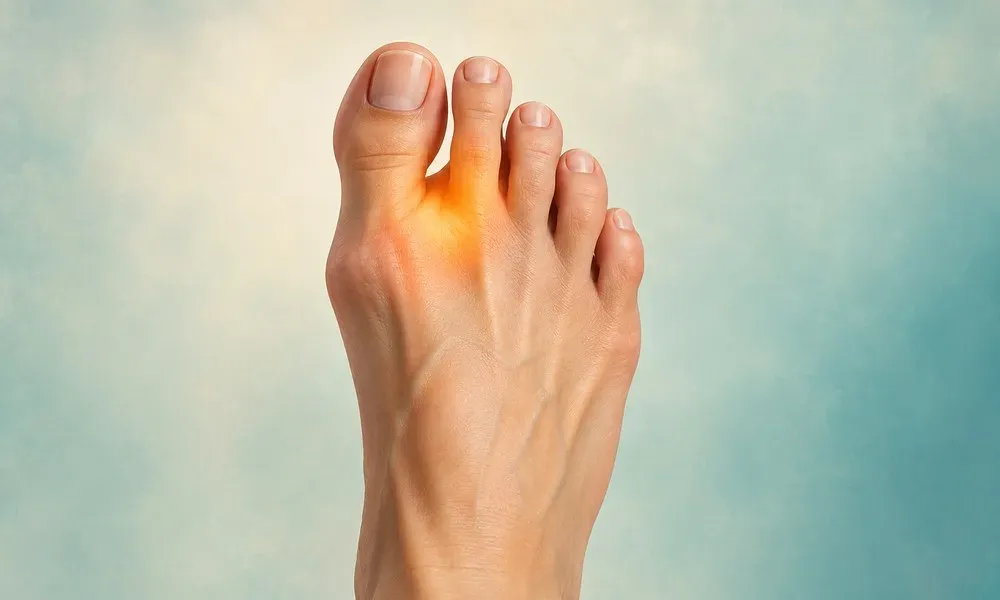
Pain around the base of the second toe can interrupt a walk, a workout, or a long day on your feet. Perhaps you first noticed it in dress shoes, but now the joint feels stiff even in sneakers. A familiar location does not always mean a familiar diagnosis.
Freiberg disease affects the head of a metatarsal—the rounded end of a long foot bone where it meets a toe. The second metatarsal is affected most often. Changes in the bone can alter the joint surface, leading to pain during weightbearing, swelling, and limited movement. Repetitive loading may contribute, but symptoms cannot identify the condition on their own.
An examination helps locate the painful structure and assess toe movement. X-rays, and sometimes MRI, help evaluate the bone and joint. Treatment can include reducing pressure, temporary immobilization, footwear changes, or an orthotic. Surgery is considered in selected cases. The stage of the problem and your symptoms influence the plan.
Because several problems can hurt in this region, avoid assuming that a previous diagnosis explains a new episode. Describe whether the discomfort is beneath the joint, on top of it, or between the toes. Tell your clinician about any change in the toe's position and bring previous imaging if available.
Before your appointment, write down when symptoms began and which activities bring them on. Include gradual changes such as more walking at work or a new exercise routine. If you have tried an insert, bring it with the shoes you use most often. Knowing what you tried is more useful than simply saying that nothing helped.
Be specific about your goals. Comfortable grocery shopping, returning to running, and tolerating a standing shift are different milestones. Discuss the tasks you need to manage while the diagnosis is being clarified.
Ask what each recommendation is protecting and how long to follow it before reassessment. If a boot or mobility aid is prescribed, ask about stairs, driving, and your work environment. Do not assume that advice given for a friend's foot injury applies to your own.
For an orthotic recommendation, ask which footwear it should be worn in and how fit will be checked. Restore's orthotics information offers an introduction to this service. An insert should be part of a diagnosis-based plan rather than a substitute for evaluation.
No. These involve different structures, even though discomfort may occur in a similar area. An examination helps distinguish the possibilities.
No. Ask which nonsurgical options fit your situation and what findings would change the recommendation.
Avoid repeatedly provoking painful movement. Get guidance about suitable activity instead of using pain as a training test.
If pain near your second toe keeps returning or changes your walking, request an evaluation at Restore Foot & Ankle Specialists. For a recent injury, see our foot and ankle trauma information. Severe pain or inability to bear weight after an injury calls for prompt assessment.
Educational information, not an individual diagnosis. Source: Merck Manual: Freiberg Disease.