Why Does My Heel Crack Keep Reopening When I Walk?
Nov 18, 2026
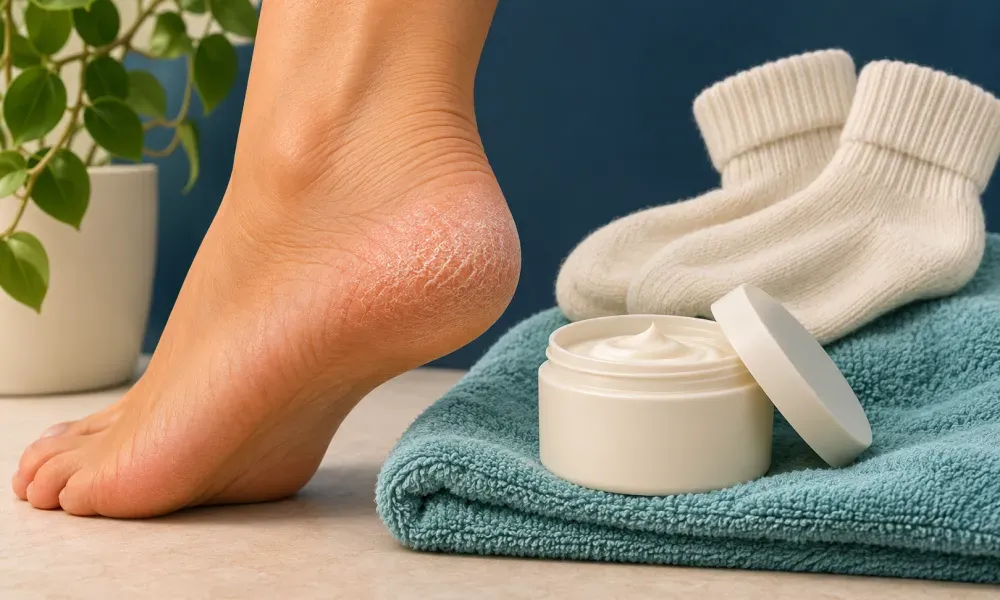
A split at the edge of your heel may seem to improve, then sting again during a shopping trip or a day on your feet. When a heel crack repeatedly opens, the question is not simply which lotion to buy. The skin, pressure on the heel, footwear, and your overall health all deserve consideration.
Why a crack may return
Dry, thickened skin around the heel is less flexible. As the heel bears weight and spreads, the skin can split. Standing for long periods and shoes that leave the heel unsupported can contribute. A deep crack, also called a fissure, may become painful or bleed.
Skin conditions and health problems can also play a role. Diabetes, for example, can make a break in the skin more concerning, especially when sensation or circulation is reduced. A clinician can assess whether this is straightforward dryness or a problem requiring a different plan.
Start with gentle care
For mild dryness without an open wound, use a gentle cleanser, avoid prolonged hot showers, and moisturize regularly. A plain fragrance-free cream or petroleum jelly can help retain moisture. Socks can protect bedding after moisturizer, but take care on slippery floors.
Choose properly fitting shoes that support and protect the heel. Inspect the inside for rough seams and look for wear that changes how the shoe fits. If a certain pair consistently aggravates the same spot, bring it to your appointment.
A routine is easier to maintain when supplies are accessible. Keep moisturizer near the place where you change socks, and check the skin rather than judging progress only by whether it hurts that day.
Skip aggressive home treatments
Do not shave thick skin with a razor or cut around a crack. Aggressive filing can create additional injury. Strong peeling products and medicated corn removers are not a substitute for evaluating a persistent split.
If you have diabetes, poor circulation, reduced sensation, or an open crack, ask a clinician which products and dressings are appropriate before self-treating. Do not apply household glue to close the skin or assume a pedicure will solve a recurring wound.
When to seek care
Arrange an evaluation if the crack is deep, bleeds, keeps reopening, or makes walking painful. Seek prompt advice for drainage, increasing warmth, redness, swelling, or a wound that is not healing. Fever or rapidly spreading redness warrants urgent care.
People with diabetes or poor circulation should report a new break in the skin promptly, even when it does not hurt. Lack of pain does not prove that the skin is healthy.
Make the visit useful
Note how long the crack has been present and what makes it reopen. Bring the products you have tried or a list of their ingredients. Mention itching, changes elsewhere on the skin, numbness, and previous wounds. Ask how to protect the area during work and how follow-up will be arranged.
Questions about recurring heel cracks
Will a thicker cream solve every crack?
No. Moisture may help dry skin, but a persistent fissure may also need attention to pressure, skin disease, or wound care.
Should I keep walking through the pain?
Reduce activities that reopen the area and seek guidance. Ask about a practical plan for your job and daily responsibilities.
Help for painful heel skin in Plano
Restore Foot & Ankle Specialists evaluates painful skin and foot problems in Plano. Request an appointment for a recurring heel crack so treatment can address the reason it keeps returning.
This article provides general education, not an individual diagnosis.